

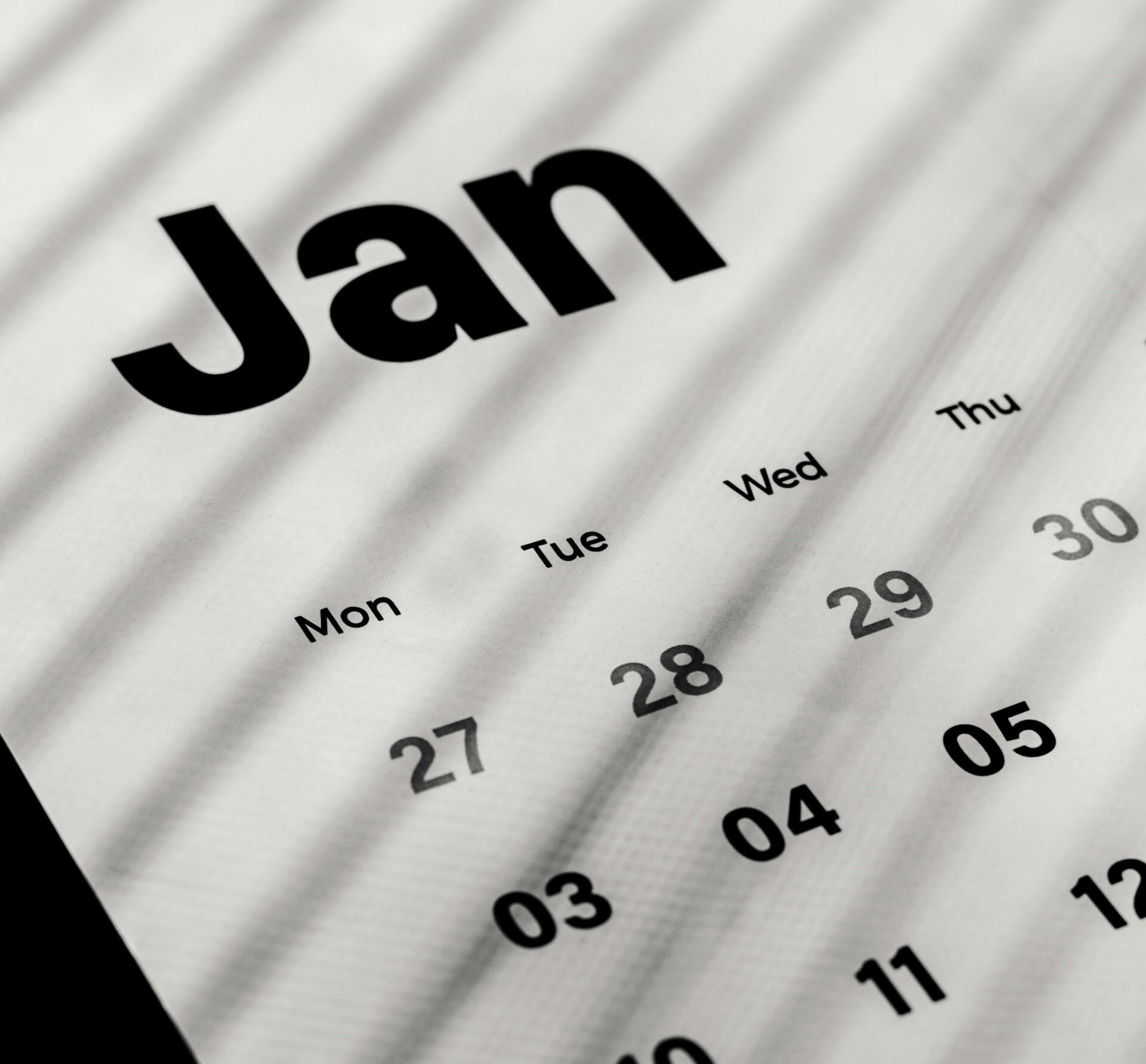
Public relations is as much about timing as it is about storytelling. If content lands too early, it may be forgotten. If it arrives too late, the opportunity may have passed entirely. That is where editorial calendars become indispensable. An editorial calendar brings clarity to planning and elevates PR work from reactive to strategic.
At its core an editorial calendar is a schedule that maps out what topics will run, which themes matter at what times, and how content aligns with the rhythms of the audience, the media and the organization itself. It is not just for editorial teams and content creators. Communications professionals use editorial calendars to time announcements, thought leadership pieces, expert commentary, and media outreach so that every effort resonates in the right context.
Understanding how editorial calendars work and how to build one can transform PR planning from guesswork to precision.
Why an Editorial Calendar Matters
For many communicators the news cycle feels unpredictable. A sudden trend emerges, industry events happen weekly, products update, leaders change, and maintaining relevance becomes a challenge. An editorial calendar helps by giving structure and foresight to your planning.
It allows teams to connect their communications goals with external moments that matter. Knowing when a major industry event will happen, when a seasonal trend peaks, or when competitors are likely to release news gives you an advantage. You can plan commentary, data releases, spokesperson availability and pitches in ways that align with media needs rather than interrupting them.
An editorial calendar also makes internal collaboration easier. When everyone understands the timeline for content, PR, product updates and campaigns, meetings are more efficient and teams can avoid last minute scrambles. It is the backbone of predictable, consistent visibility.
How Media Outlets Use Editorial Calendars
Media outlets themselves use editorial calendars to plan issues, features and special coverage. Trade publications often publish their calendars months in advance, listing themes for upcoming issues and deadlines for submissions. Mainstream outlets may not share publicly but still follow rhythms tied to events, award seasons, reporting cycles and recurring topics.
By understanding the media’s editorial calendar you can better align your pitches with what journalists are thinking about at a given time. A story idea that might feel timely to you may be off topic for an outlet if it does not fit their calendar. When your outreach fits their planned themes you increase the likelihood that your story will be considered and placed.
For example, outlets that focus on leadership or workplace culture often schedule content around the start of the year, mid-year performance reviews, and end of year reflections. Technical publications may align coverage with conferences, product expos and regulatory review periods. Matching your communications to these cycles turns outreach into collaboration, not interruption.
Building Your Editorial Calendar
Creating an editorial calendar starts with research and listening. You need data, insight and intentional design rather than guesswork.
- Start with your audience Identify what topics matter to them and when. Are there industry gatherings, reporting seasons, regulatory decisions or market shifts that influence their conversations? Pinpoint those moments and use them to anchor your calendar.
- Inventory key internal events Map out product launches, announcements, executive availability, research releases, partnerships and milestones. These internal events are opportunities for PR activity and should be placed on the calendar early.
- Add media cycle dates Gather known publication schedules, conference dates, seasonal themes and any other external calendars that influence coverage. Plugging these into your schedule shows where friction points or opportunities might exist.
- Balance evergreen and timely content Not all content has to be tied to a hot moment. Evergreen content that answers recurring questions, explains ongoing topics, or provides guidance can fill gaps between timely events. An editorial calendar should blend both to ensure consistency without forcing relevance.
- Collaborate with stakeholders Your colleagues in marketing, product, sales and executive leadership all have insights on narrative priorities. Work together to set themes that align with organizational goals and timelines.
Using the Calendar to Plan Media Outreach
Once your editorial calendar is complete it becomes a guide for outreach rather than a wish list. Instead of blasting pitches randomly, you can identify the specific windows when your message will be most effective.
If a theme is scheduled for April coverage among industry blogs, you can prepare and send pitches in early March to give editors time to respond before deadlines. If a keynote event is planned for June, you can schedule pre-event commentary, trend insight pitches and follow up interviews to maximize attention.
Timing outreach to fit the editorial calendar also shows respect for journalists’ processes. Reporters are often juggling multiple stories and deadlines. If your pitch arrives when they are planning thematic coverage, it feels like a helpful suggestion rather than an unsolicited interruption.
Editorial Calendars Help Avoid Pitch Fatigue
When PR teams lack a calendar they tend to over-pitch or send last minute ideas out of desperation. This creates fatigue on both sides of the table. Journalists may feel bombarded with poorly timed outreach. Teams internally may feel they are always scrambling.
With an editorial calendar you can pace your outreach. You know when major themes are happening and when space exists for smaller stories. This helps distribute your efforts across the year in a way that feels thoughtful and sustainable, leading to better relationships and less burnout.
Beyond Media Outreach Editorial Calendars Improve Content Quality
Another benefit of editorial planning is that content improves. When you have lead time to develop stories, align visuals, gather data and craft narratives, the final output is stronger. Nothing undermines impact more than rushed content that feels incomplete or poorly considered.
A calendar gives you the time to research, build narratives thoughtfully, and refine messaging so that each piece serves its purpose effectively. Better quality increases the chances that your story will be picked up, shared and remembered.
This also applies to mediums beyond traditional media. Newsletters, blogs, social posts and thought leadership content all perform better when they are part of a planned rhythm rather than reactionary bursts.
How to Adjust When Unexpected Moments Arise
Editorial calendars are not rigid. They are frameworks, not prisons. Some of the best opportunities in media relations come from unexpected events, breaking news or sudden market shifts. A well structured calendar simply gives you a baseline from which to adjust.
If something timely occurs that aligns with your brand’s expertise, you can pivot and insert new content or outreach into the calendar. The difference is that you do not do so haphazardly. You evaluate where it fits, what needs to be deprioritized and how to preserve the overall strategic coherence of your communications.
This flexibility combined with structure ensures that you are not constantly reacting but can respond with deliberation when opportunities arise.
Measuring Success Through Planning
One of the strengths of an editorial calendar is that it enables measurement. When you plan stories around themes and dates you can compare outcomes against expectations. Did a thought leadership piece placed in March generate more inquiries than similar content in July? Did coverage aligned with an industry event lead to deeper engagement?
Tracking these outcomes guides future planning. Over time you develop a sense of what moments matter most to your audiences and media partners. You can refine your calendar with data, making each cycle more effective than the last.
Bringing Everyone Onto the Same Page
An often overlooked benefit of editorial calendars is internal alignment. When different teams — communications, marketing, product and executive leadership — refer to the same calendar they share a narrative roadmap. Conversations become more productive because everyone knows what themes are coming, when stories will be told and how outreach supports broader business goals.
This prevents conflicting messages, redundant work and misaligned timing. It creates a sense of cohesion that not only improves external perception but enhances internal clarity and collaboration.
Final Thoughts
Editorial calendars are not tools just for publishing teams. They are foundational to effective planning, targeted outreach and strategic communication. They give clarity to timing, respect to media workflows, predictability to your schedule and power to your storytelling. While it may seem more efficient to pitch ideas spontaneously or in high volume, media relations gains momentum when outreach is deliberate, relevant and timed with precision.
Good planning does not eliminate surprises. Instead it equips you with the context and flexibility to take advantage of them. Whether you are aligning around industry cycles, seasonal themes or internal achievements, editorial calendars help you bring order to complexity and purpose to every piece of communication.
When you invest time in building a calendar and using it as a living guide, your work feels intentional. Your stories land with more impact. Your relationships deepen. And your message becomes part of the conversations that matter most.