
Major tech events like CES, MWC, Web Summit, and the growing list of regional tech expos continue to shape the landscape for B2B companies in 2026. These events gather decision makers, analysts, investors, partners, and the media in one place. They allow brands to showcase innovation, open new conversations, and strengthen their industry presence.
Even with digital communication dominating the day-to-day work of B2B teams, in-person events remain powerful. They offer the kind of high trust visibility that is harder to achieve online. Reporters get to see and touch products. Potential buyers can understand a solution’s value quickly. Executives can build relationships in ways that video calls can never fully replace.
At the same time, the media environment in 2026 is changing fast. Journalists work with shorter lead times. They want more visual content. They rely on multimedia more than ever. Pitches need to be clear, timely, and supported by strong assets. Success at major tech events is no longer just about showing up with a booth. It requires a coordinated plan that connects PR, content, and marketing from start to finish.
Below is a full guide on how B2B tech brands can maximize their PR impact before, during, and after the biggest tech events in 2026.
Pre Event PR: The 2026 Playbook
A. Setting Up a Clear PR Objective
Event PR works best when the goal is defined early. A brand attending CES or any major expo should decide what success looks like before preparing any outreach.
Common goals include:
Awareness. You want more people to know your name, your product category, or your story.
Lead generation. You want conversations with potential enterprise buyers or partners.
Partner visibility. You want your booth or presence to support resellers, distributors, or collaborators.
Investor attention. You want to attract the interest of VCs, private equity firms, or analysts.
Clear goals guide every decision. They shape the media list, the pitch angles, and the assets you prepare. Without them you risk doing everything at once and getting unfocused results.
B. Media Research and Target List Creation
Media research in 2026 is no longer limited to traditional tech journalists. The ecosystem has expanded to include independent creators, niche newsletter writers, Substack analysts, YouTube reviewers, TikTok educators, and LinkedIn commentators.
Start by mapping your media list by beat:
- Enterprise tech
- Hardware
- AI and machine learning
- Cybersecurity
- Automation and robotics
- Climate tech
- Infrastructure and B2B services
Next, look beyond newsrooms. Many creators now have equal or greater influence. A product review from a respected YouTube channel or a feature in a specialized B2B newsletter often reaches the exact buyers you want.
Your list should include:
- Journalists covering your industry
- Event-specific reporters
- Substack and newsletter writers
- YouTube tech and product reviewers
- LinkedIn creators
- Analysts who publish insights
Once your list is built, segment it according to your goals. Not every contact needs the same information. Investors, creators, and enterprise trade reporters will each respond to different angles.
C. Crafting Pre Event Pitches
Pre event pitching shapes your visibility long before the expo opens. Reporters are flooded with pitches as the event draws closer, so timing and relevance are critical.
In 2026, story angles that work well include:
Clear problem solving. Explain the business problem your tech solves and why it matters today. Keep the explanation simple.
Bigger industry trends. Reporters want stories connected to broader movements. Tie your pitch to AI adoption, cybersecurity needs, automation, climate tech, sustainability, or the future of work.
New data or insights. If you have proprietary research, share a preview. Journalists like having something unique.
Human centered leadership. Spotlight your founder or engineering team. Authentic leadership stories stand out in a crowded event cycle.
Pitches should be straightforward. Avoid buzzwords. Respect the short time reporters have to process pitches during a busy season.
Keep the structure simple:
- Why you are reaching out
- What you are launching or showcasing
- Why it matters this year
- The assets, briefings, or demos available
- Your ask, such as a meeting or an embargoed preview
D. Preparing Press Assets
The fastest way to win coverage at major events is to prepare assets that remove friction. Reporters and creators want ready to use materials that help them move fast.
A complete 2026 media kit should include:
- Company overview and boilerplate
- Clear product descriptions
- Executive bios and headshots
- Lifestyle product photos
- Technical photos
- B-roll video
- Logos in multiple formats
- Quick fact sheet
Visual storytelling matters more than ever. High-resolution images, clean product photography, demo videos, and short clips for creators help boost coverage. If you can show the story rather than just talk about it, you will have an advantage.
E. Aligning Social, Email, and PR Timelines
Your PR output should connect seamlessly with your content and marketing schedule. Brands often treat these as separate tracks, but a unified timeline creates stronger results.
Build a simple calendar that includes:
- Pitch send dates
- Embargo dates
- Press release dates
- Social teaser dates
- Email newsletter announcements
- Pre briefing windows
- Onsite event announcements
- Post event follow ups
Embargoes and pre briefings are powerful tools. They help you secure interest before the event officially starts while giving reporters time to prepare.
Event Day PR: Winning Attention on the Ground
A. How to Prepare Your Onsite Team
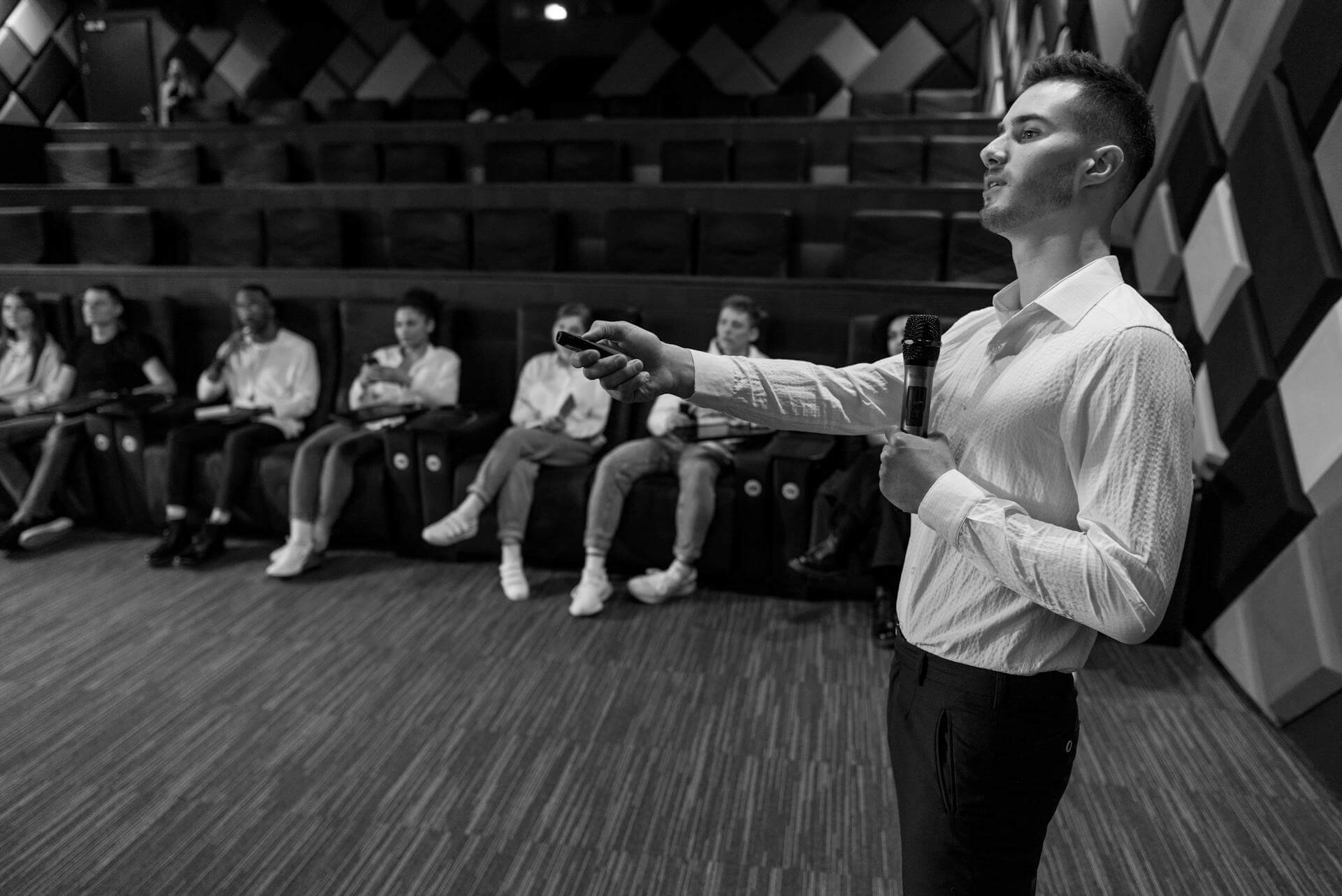
Your team at the event is part of your PR strategy. The way they speak, explain, and respond shapes how the media perceives your brand.
Prepare them with:
Talking points. Keep it simple and aligned with your pitch angles. Everyone should say the same core messages.
Messaging hierarchy. Decide what must be mentioned in every conversation, what is optional, and what is for deeper technical discussions.
Spokesperson training. Anyone who may interact with media should know how to deliver concise answers and stay on message.
The best event results come from alignment between your PR team and your booth team.
B. Capturing Real Time Visual Content
Content created during the event should feel spontaneous but still follow a plan. Visual storytelling performs extremely well online in 2026.
Prepare a shot list for photography:
- Wide shots of your booth
- Close-ups of product demos
- Executives engaging with attendees
- Crowds and foot traffic
- Customer or partner interactions
- Behind-the-scenes moments
For videography, focus on:
- Short vertical clips
- Quick product demos
- Announcements
- Reactions
- Simple day in the life style edits
These assets will be used for social media, recap pitches, website updates, and repurposed content after the event.
C. Responding to Media in Real Time
Media walk-ups happen quickly. Your approach should be organized.
- Have someone assigned to handle incoming media.
- Keep a QR code ready for instant access to your press kit.
- Deliver requested assets fast.
- Offer short demos or clear explanations.
Speed is everything at busy tech events. If you can make a reporter’s job easier, your chances of getting covered grow.
D. Leveraging Social Boosts
Real time social content amplifies your presence even if a reporter has not yet published anything.
Strong social approaches in 2026 include:
LinkedIn thought leadership. Short posts from executives perform well because they show expertise and insight rather than promotion.
TikTok and Reels energy. Behind the scenes videos, fun moments, product demos, and fast reactions create engagement.
Partner amplification. If you have distributors, suppliers, or clients attending, tag them and reshare their posts. Cross visibility strengthens your reach.
PR and social now go hand in hand. They feed each other.
Post Event PR: Extending the Buzz
A. Recap Pitching
Event coverage does not end when the expo closes. In many cases, recap pitching delivers stronger results because the noise has died down and reporters are ready for follow-up stories.
Angles that work well include:
- Event insights or data
- Unexpected trends your team observed
- Customer reactions
- Product adoption numbers
- Leadership commentary
- Market predictions
Keep the recap tight and supported by visual assets. Reporters appreciate substance and clarity.
B. Multi Platform Content Repurposing
Your team will leave the event with hours of footage and dozens of photos. Use them well.
You can repurpose content into:
- Highlight videos
- Case studies
- Testimonial reels
- Blog posts
- Social posts
- Internal presentations
- Investor decks
Event content has a long lifespan when used strategically. It proves that your company is active, engaged, and innovating.
C. Updating Your Website and SEO Opportunities
Your event presence should be reflected on your website.
Add:
- An “As Seen At” section
- A CES or MWC landing page
- Press mentions
- Recap blogs
- Event photos
This supports SEO and gives future prospects confidence in your momentum.
D. Nurturing the Leads from the Event
PR works best when combined with relationship building. After the event, follow up with new contacts in ways that add value.
Ideas include:
- A short thought leadership newsletter from your CEO
- Direct outreach from sales or partnerships
- Educational content that answers their questions
- A follow up product walkthrough
Warm leads convert better when the follow-up is thoughtful, timely, and relevant.
The most successful PR strategies for major tech events in 2026 happen long before opening day and continue long after the crowd goes home. B2B brands that prepare ahead of time, create strong multimedia assets, align messaging across teams, and sustain momentum after the event will stand out.
Start building your PR calendar early. Map your objectives, prepare your materials, and plan your pre-event and post-event campaigns. With a clear strategy, you can turn every major tech event into a long-lasting brand advantage.